
Furnished vs. Unfurnished Rentals: What's the Difference, and Which Is More Worth It?
One of the most common questions renters ask is whether to choose a Fully Furnished rental or an unfurnished one that requires buying everything yourself. Both options have different pros and cons depending on how long you plan to stay and your budget. This article breaks down the comparison clearly, along with a break-even calculation table to make the decision easier.
Who Is a Fully Furnished Rental Best For?
Best suited for those relocating for a short-to-medium term, students, or anyone who doesn't want to carry the large upfront cost of buying furniture and appliances. You can move in and start living immediately without spending time sourcing furniture. Although the monthly rent is slightly higher than an unfurnished unit, you save significantly on that first big lump-sum expense.
• Move in and start living right away — no time spent buying or moving furniture
• Ideal for short-term leases of 6 months to 1 year, where buying your own furniture wouldn't be worth it
• No need to worry about moving large furniture pieces once your lease ends
• Caution: if the existing furniture is damaged through improper use, you may be charged repair costs from your security deposit
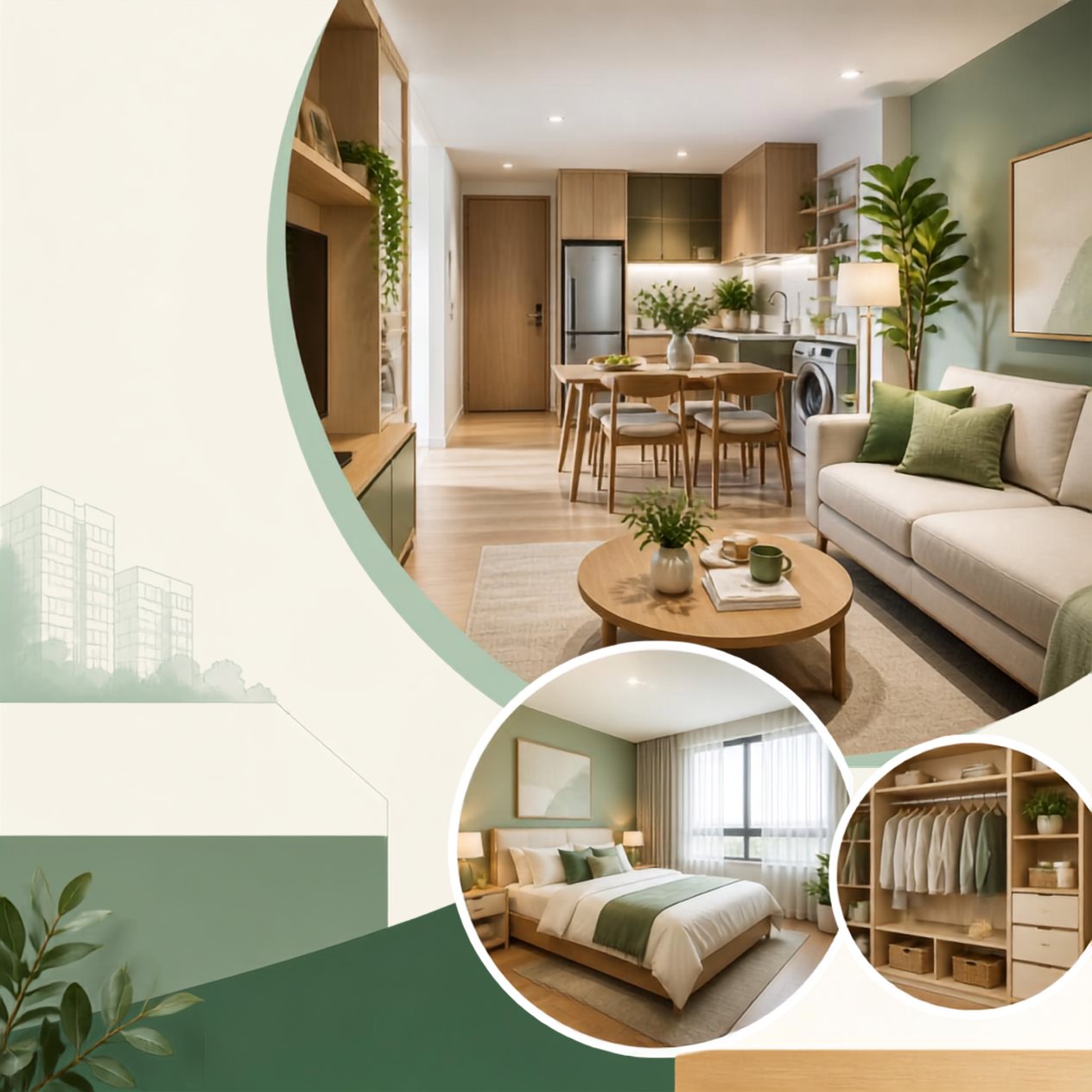
[Image placement] An image of a fully furnished, cozy-looking condo interior Search free on Pexels: "fully furnished condo interior"
Who Is an Unfurnished Rental Best For?
Best suited for those planning to stay long-term, or who already own furniture. You get complete freedom to choose furniture you love and decorate the space exactly to your taste, and monthly rent is typically lower than a fully furnished unit. However, you'll need to set aside an upfront budget for essential items like a bed, refrigerator, and washing machine.
• Monthly rent is typically 10-20% lower than a fully furnished unit
• Freedom to choose furniture and decor that matches your personal style
• Best suited for leases of 2 years or longer, where buying your own furniture pays off
• Caution: requires an upfront budget for essentials, and you'll need to arrange to move your furniture out yourself when you leave
Break-even Calculation Table Between the Two Options
Example calculation assuming a fully furnished unit costs 2,000 THB/month more than an unfurnished one, with an upfront furniture cost of approximately 40,000 THB for the unfurnished option.
Rental Period | Furnished (Cumulative Premium) | Unfurnished (Upfront Furniture Cost) | Better Value |
6 months | 12,000 THB | 40,000 THB | Furnished |
1 year | 24,000 THB | 40,000 THB | Furnished |
1 year 8 months | 40,000 THB | 40,000 THB | Break-even point |
2 years | 48,000 THB | 40,000 THB | Unfurnished |
3 years | 72,000 THB | 40,000 THB | Unfurnished |
Based on this table, the break-even point is around 1 year and 8 months. If you plan to stay shorter than that, a fully furnished unit is more cost-effective; longer than that, an unfurnished unit saves you more in the long run. Actual figures will vary depending on the real rent difference and furniture budget in your case.
Frequently Asked Questions About Furnished Rentals
How much more expensive is a fully furnished unit compared to an unfurnished one?
On average, a fully furnished unit costs about 10-20% more in rent than an unfurnished one, depending on the quality and completeness of the furniture provided. Compare similar units within the same project to see the true price difference.
If the furniture that comes with the unit gets damaged, am I responsible?
If it's damaged from normal wear and tear, the tenant isn't responsible. But if it's damaged from misuse or negligence, repair costs may be deducted from your security deposit. It's a good idea to photograph the condition of every piece of furniture on move-in day as evidence.
If I rent unfurnished and buy my own furniture, can I sell it when I move out?
Yes. Furniture you purchase yourself is your personal property, so you can sell it, pass it on to the next tenant, or move it to your new place as you wish.


